The Loan Process After the SPA Is Signed
What happens between signing the sale and purchase agreement and the release of loan funds, and why this stage runs late most often.
Updated 4 October 2026 · Written and reviewed by Nur Nabilah Binti Mohd Aris

The loan process after SPA starts with the bank valuation and ends with release of the loan to the seller. After the sale and purchase agreement is signed, the bank issues a letter of offer, loan documents are signed, the charge is prepared and stamped, and the bank releases funds. This stage most often decides whether the matter completes within the completion period.
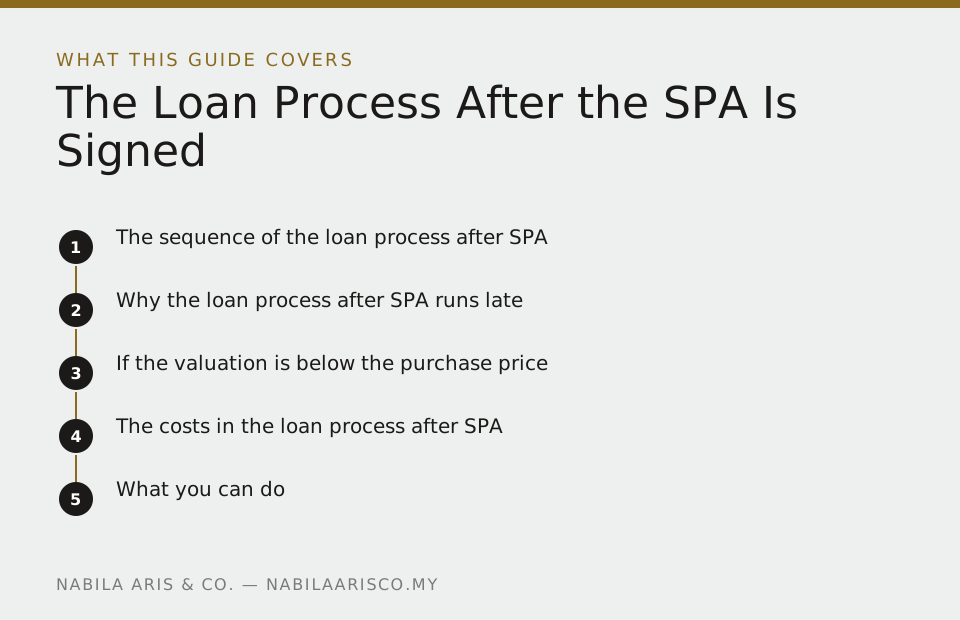
What this loan process after SPA guide covers
Many buyers think the work is done once the sale and purchase agreement is signed. In practice the part that decides the outcome is only beginning.
The sequence of the loan process after SPA
- Letter of offer. The bank issues a letter of offer setting out the loan terms. You have to accept it formally within the stated period.
- Valuation. The bank appoints a valuer. If the valuation comes in below the purchase price, the loan margin is affected and you may have to top up from your own funds.
- Loan documents. The bank’s panel solicitors prepare the loan agreement and charge documents for signature.
- Stamping. Loan documents are stamped at 0.5% of the loan amount.
- Charge registration. The charge is registered against the title after or together with the transfer.
- Release of funds. The bank releases funds to the solicitors for distribution under the settlement directions.
Why the loan process after SPA runs late
- Incomplete supporting documents, so the bank asks repeatedly
- Valuation takes time or comes in differently from expectations
- Further conditions imposed after the letter of offer is accepted
- The buyer signs or returns documents late
- Coordination between two firms where the bank uses a different panel
If the valuation is below the purchase price
Banks lend against the lower of the purchase price and the valuation. If the valuation is low, the loan amount drops and you have to cover the difference. This is a situation to plan for, not to be surprised by at the last minute.
The costs in the loan process after SPA
| Property price | Legal fees | Stamp duty | Estimated total |
|---|---|---|---|
| RM250,000 | RM6,413 | RM5,125 | RM13,538 |
| RM500,000 | RM12,825 | RM11,250 | RM26,075 |
| RM750,000 | RM18,090 | RM19,875 | RM39,965 |
| RM1,000,000 | RM23,220 | RM28,500 | RM53,720 |
| RM1,500,000 | RM33,480 | RM50,750 | RM86,230 |
What you can do
- Gather bank statements, payslips, EPF statements and tax documents before applying
- Do not open new credit facilities while the application is being processed
- Confirm with the bank whether your solicitor can handle the loan documents or whether their panel must be used
- Ask early what further conditions might be imposed
If the bank valuation comes in below the price
Banks lend against the valuation, not against the price you agreed. If the valuation is lower, the approved margin is calculated on the lower figure and you have to bridge the difference in cash.
There are three options at that point. Renegotiate the price with the seller, put in more cash to cover the gap, or try another bank that may use a different valuer.
The third takes time, so it is only practical if your completion period still has room. That is another reason a realistic period matters from the start.
What happens on release day
The bank does not hand the money to you. It is released to the solicitors, who pay the seller’s bank to redeem the seller’s loan and then pay the balance to the seller. The paperwork behind that release is bank loan documentation, and the bank usually appoints the solicitor for it.
If the seller has tax or maintenance arrears, those amounts are deducted at this stage.
For a disposal that attracts gains tax, part is withheld as a retention sum. Sellers who are not told about this early are often surprised on completion day.
If you switch banks midway
Switching banks means the application restarts: a new valuation, a new letter of offer, and new loan documentation. That adds several weeks at least.
If documents with the first bank have already been stamped, that cost cannot be fully recovered. Check the position before deciding.
Switching is worth it where the rate difference is significant and your completion period still has room. It is rarely worth it in the final month.
Frequently asked questions about loan process after SPA
How long does the bank take to issue a letter of offer?
It varies by bank and by how complete your documents are. Applications with complete documents move far faster than those chased repeatedly.
What if the loan is rejected after the SPA is signed?
It depends on the clause in the agreement. Some agreements allow termination with the deposit refunded if financing fails, others do not. Check before signing.
Can I change banks midway?
You can, but it starts again from the beginning and will almost certainly delay the matter. Consider the effect on the completion period.
Why do I sign documents at the bank's solicitors?
Because the charge is a document between you and the bank. The solicitors acting for the bank prepare and witness it.
Ready to start your property matter?
An initial consultation with no obligation. Tell us about your matter and we will explain what is involved and what it is likely to cost.
No 1, Jalan Setia Dagang AL U13/AL, Setia Alam, 40170 Shah Alam, Selangor
014-4004293 · Monday to Friday, 9:00am to 5:00pm