Tenancy Agreements
Preparing and reviewing residential and commercial tenancy agreements, including deposit terms, the term, and the rights of landlord and tenant.

Stamp a tenancy agreement so a court will accept it in evidence. The annual rent and the term set the stamp duty. Deposits are commonly two months rent plus half a month for utilities, but that is market practice rather than a rate fixed by law.
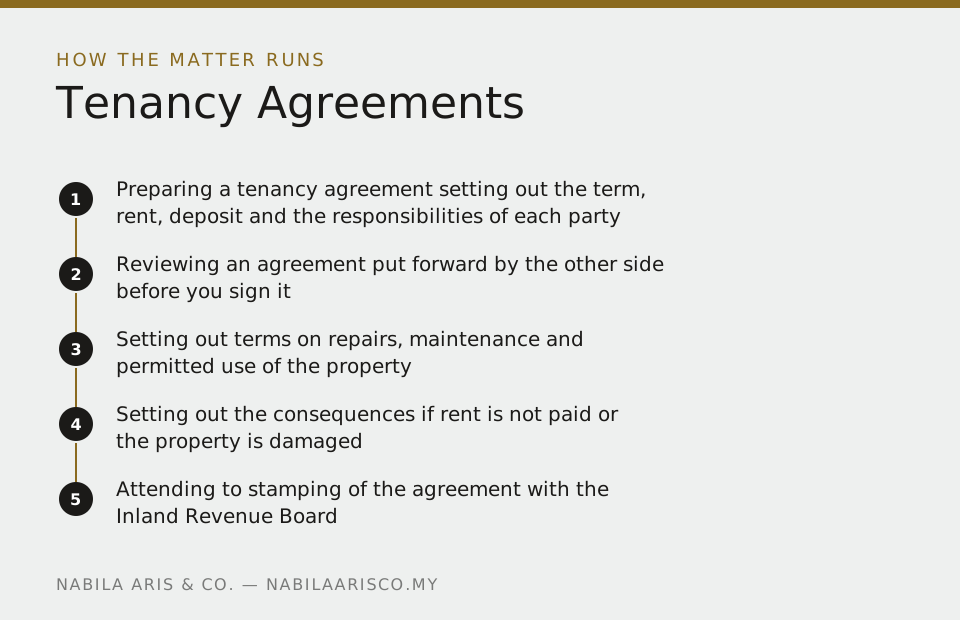
The tenancy agreement process step by step
A tenancy agreement is a document that is rarely read closely until something goes wrong. At that point unclear terms become expensive.
Stamping a tenancy agreement is not a formality
An unstamped tenancy agreement is not admissible in evidence in court until stamp duty and a penalty have been paid. That means if a dispute arises, the party relying on the agreement has to pay the duty and penalty before it can be produced.
Stamp duty at the time the agreement is signed is far cheaper than duty plus penalty later.
Tenancy agreement terms that most often cause disputes
Based on the matters we handle, three things most often lead to disputes: who is responsible for particular repairs, in what circumstances a deposit may be withheld, and how much notice is required to end the tenancy.
All three can be settled with clear terms in the agreement, written before a problem arises rather than after.
A tenancy agreement inventory for furnished property
For property let furnished, an inventory signed by both parties is the single most useful document when a dispute about damage arises. Without one it is difficult to establish the condition of the property when the tenant moved in.
The deposit and what can actually be deducted
A tenancy deposit is not the last month’s rent. It secures against damage beyond fair wear and tear and against arrears. The distinction matters, because a tenant who treats the deposit as the final month’s rent leaves the landlord unsecured in the riskiest month.
Set out in the agreement what may be deducted and how it is calculated. Without that list, a dispute becomes a question of two memories, and two memories rarely agree.
The utility deposit is separate from the rental deposit. It covers bills unsettled at the date the tenant leaves, and should be returned once the final bills arrive, not on the day the keys come back.
An inventory that is actually useful
A useful inventory is not just a list of items. It is a list with the condition of each and dated photographs. A sofa already scratched before the tenant moved in has to be recorded as scratched, or it becomes a dispute at the end of the term.
Walk the inventory together on handover day and have both parties sign it. Ten minutes then saves weeks of argument later.
Repeat the same exercise on the day the tenant leaves. Compare against the original record, not against memory.
What your lawyer handles
- Preparing a tenancy agreement setting out the term, rent, deposit and the responsibilities of each party
- Reviewing an agreement put forward by the other side before you sign it
- Setting out terms on repairs, maintenance and permitted use of the property
- Setting out the consequences if the tenant misses rent or damages the property
- Attending to stamping of the agreement with the Inland Revenue Board
- Advising on your options where either side breaches a term
Documents you need to prepare
- Copy of the identity card of the landlord and the tenant
- Copy of the title or proof of ownership
- Details of the rent, deposit and term agreed
- An inventory of furniture and fittings if you let the property furnished
Costs people often overlook
- Legal fees for preparing the agreement
- Stamp duty based on the annual rent and the term
- Cost of copies and certification
- Service tax of 8% on legal fees
When to stop and get advice first
- The agreement does not clearly allocate responsibility for repairs between landlord and tenant
- There is no inventory for a furnished property, making a damage claim difficult
- A term allowing the landlord to terminate without reasonable notice
- The agreement is not stamped, which affects its admissibility in evidence
- The tenant pays a deposit before reviewing the agreement and inspecting the property
Frequently asked questions about tenancy agreement
Why does a tenancy agreement need to be stamped?
A court will not accept an unstamped document in evidence until you pay the stamp duty and a penalty. Stamping at the outset is cheaper.
How much is stamp duty on a tenancy?
The annual rent and the term set it. We can work out the exact figure from your details.
How much deposit is normal?
Market practice is commonly two months rent as a security deposit and half a month for utilities. No law fixes the rate, so you can negotiate it.
The tenant is not paying rent, what can I do?
The options depend on the terms of the agreement and the circumstances. A landlord cannot change the locks or remove the tenant's belongings without a lawful process.
Can a landlord raise the rent during the term?
Only if the agreement allows it. Otherwise the rent stays the same until the term ends.
Who pays for repairs?
It depends on the terms of the agreement. Commonly the landlord carries structural repairs and the tenant carries day to day maintenance, but the agreement should say so clearly.
Ready to start your property matter?
An initial consultation with no obligation. Tell us about your matter and we will explain what is involved and what it is likely to cost.
No 1, Jalan Setia Dagang AL U13/AL, Setia Alam, 40170 Shah Alam, Selangor
014-4004293 · Monday to Friday, 9:00am to 5:00pm